Even with perfect cards on the table, poor decisions bleed bankrolls faster than a slow leak in a tyre. Beginners often treat twenty-one like a coin toss, ignoring the math that separates casual punters from disciplined traders. In Darwin, where the heat can make anyone irritable, a rushed hand at arvo play feels deceptively easy. Yet the house edge creeps in through hesitation, not just bad luck. Understanding where players slip helps avoid the same traps on any licensed platform.
Reading the Dealer’s Upcard Like a Trading Window
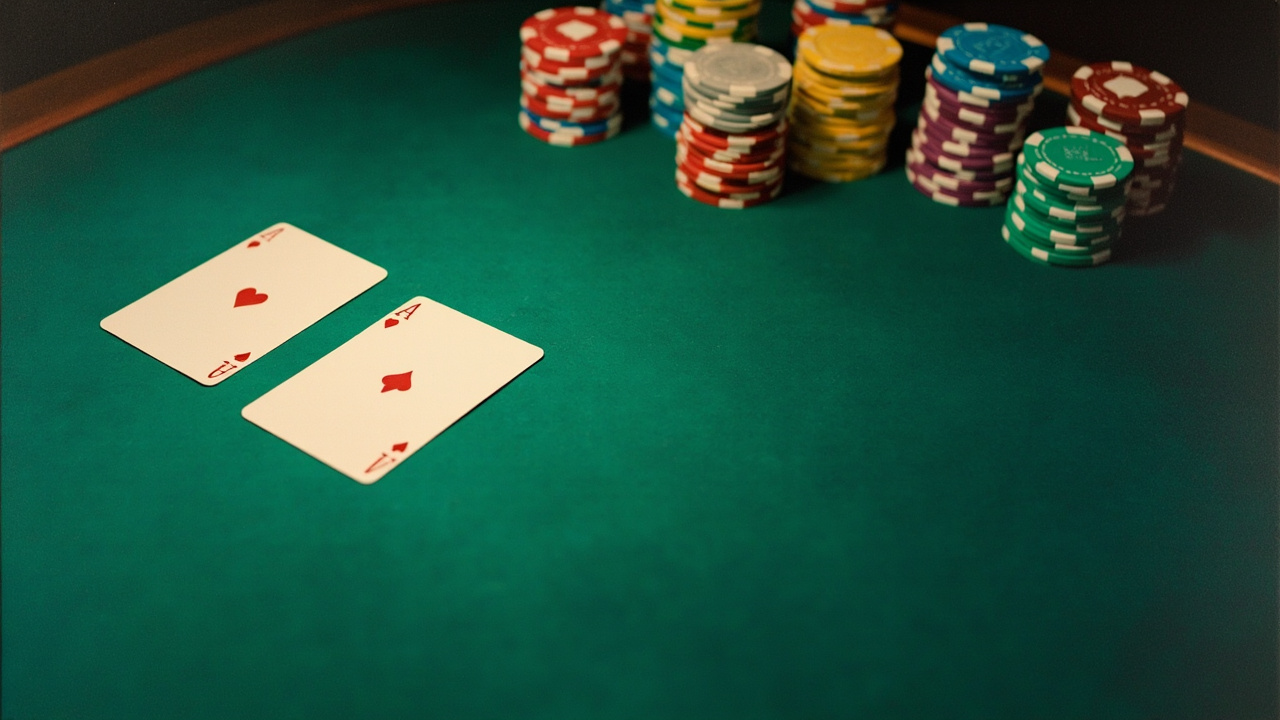
Treating the dealer’s visible card as a signal rather than a threat is where many hands go sideways. A seven showing does not mean you should stand on sixteen; the math says hit, because the dealer is likely to bust only a fraction of the time. This mirrors the discipline I apply when managing sportbook risk lines, where early misreads compound into heavy losses before the session closes. In harness racing, pacers and trotters move at different rhythms, and misreading that pace costs you the wager before the gate opens. Players who treat every hand as a fresh event instead of a sequence tend to overcorrect, doubling down on marginal totals and surrendering valuable expected value. The table below captures the core positioning and limits you should expect before your first session.
| Item | Detail |
|---|---|
| Positioning | Mid-stakes digital tables, 5-100 wagering units per hand |
| Providers | Multiple licensed studio suppliers, standard 52-card decks |
| Bonus mechanics | Match deposit with wagering turnover, no cashout until cleared |
| Payments | AUD only, instant deposit, standard processing on withdrawals |
| Registration | Age check, identity verification, geo confirmation before play |
| Mobile | Responsive web play, no dedicated app required |
| Support | Live chat and email during local hours, ticket queue overnight |
| Loyalty | Points per wager, tiered perks, no guaranteed bonus conversion |
When the upcard is weak, standing on soft totals feels conservative, but it hands the edge back to the house. I have seen operators structure their markets so that every hesitation is priced in, much like a trading desk that adjusts exposure the moment a signal flickers. The smart move is to follow the chart, not the mood of the room, and accept that some losses are simply the cost of playing correctly. Even a legendary hustler like Titanic Thompson would have respected the underlying probabilities before attempting any elaborate scheme.
Doubling and Splitting When the Chart Says Not To
Doubling down on eleven against a ten looks tempting, yet the basic strategy chart advises caution because the dealer’s hidden card often completes a strong total. Splitting pairs of tens might feel like doubling your chances, but it usually fragments a winning hand into two weaker ones. This is the kind of feature execution I evaluate when reviewing betting products, where a flashy option can mask a poor expected return if the conditions do not align. In the arvo rush, players often chase a quick win and ignore the turnover requirements attached to their bonus activation, which turns a small edge into a slow bleed. A match deposit bonus is not free money; it carries wagering conditions that must be cleared before any withdrawal is considered. When you split or double outside the chart’s guidance, you are essentially paying a premium for action that the math does not support. The discipline to fold a tempting option is the same discipline that keeps a trading book profitable through a volatile session. big bass floats my boat on top payout multipliers
Chasing Losses and Ignoring Table Limits
Chasing a bad run by increasing stakes or deviating from the chart is the fastest way to turn a manageable session into a drained balance. Table limits matter because they cap how much you can adjust, and ignoring them leads to bets that outpace your bankroll management. I have worked with operators where Cameron Lee, Chief Financial Officer at Southern Star Esports, stressed that responsible limits are not a barrier but a structural safeguard for both player and book. Evie Collins, Affiliate Partnerships Director at the Pacific Player Protection Institute, has noted that clear verification and age checks before first deposit help keep the environment predictable for everyone. When players treat limits as suggestions rather than boundaries, they often push into territory where the house edge compounds with every hand. The steady path is to set a unit size, stick to the chart, and walk away when the session stops making sense, rather than trying to outrun a losing streak.

Getting the fundamentals right means accepting that the chart is a guide, not a guarantee, and that every decision carries a trade-off. The best sessions are the ones where you respect the limits, verify your account properly, and treat the first deposit as a test of discipline rather than a shortcut to profit. Amelia Morris, Head of Analytics at Oceanic Gaming Strategy, has pointed out that consistent play within the chart’s parameters tends to outperform impulsive adjustments over time. Darwin’s long evenings can make any session feel endless, but the same patience that gets you through a hot afternoon should carry into your hand selection. No wagering table removes the house edge, so the real win is keeping your decisions clean and your bankroll intact.